Summary:
Discover how blockchain is revolutionizing the gaming industry and the metaverse, empowering app creators like Appbirds Technologies to enable secure digital ownership, innovative monetization, and immersive user experiences. Learn about NFT-powered assets, decentralized economies, and the future of virtual worlds where players and developers thrive together.
Introduction
The gaming industry is undergoing a profound transformation, driven by the convergence of blockchain technology and the metaverse. For app creators and innovators like Appbirds Technologies, this integration is opening up new frontiers of digital ownership, monetization, and immersive experiences that were previously unimaginable. Let’s explore how blockchain is powering the next generation of virtual worlds, and what it means for developers, players, and businesses.
The Metaverse and Blockchain: A Natural Synergy
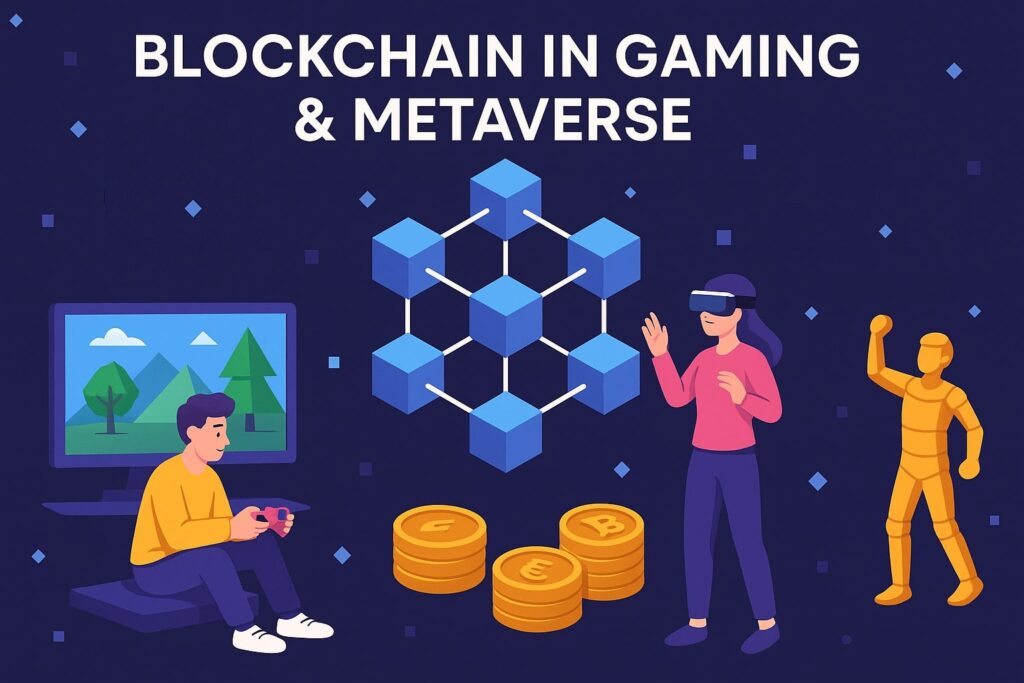
The metaverse is rapidly evolving into a vast, interconnected digital universe where users can socialize, play, create, and transact in persistent virtual environments. The true potential of the metaverse is being unlocked through blockchain technology – a decentralized ledger system that ensures secure, transparent, and tamper-proof transactions.
By integrating blockchain, metaverse platforms can:
- Enable verifiable ownership of digital assets (like avatars, skins, and virtual land)
- Facilitate peer-to-peer trading and decentralized marketplaces
- Empower users with governance over virtual worlds
- Create new economic models where value flows directly between creators and participants
Digital Ownership: From Players to Stakeholders
In traditional gaming, players may invest significant time and money in acquiring in-game items, but true ownership is often out of reach. Developers typically lock these assets within the game’s servers, control them entirely, and risk their loss if the game is discontinued. Blockchain disrupts this paradigm by introducing non-fungible tokens (NFTs) – unique, cryptographically secured digital assets that players genuinely own.
With NFTs:
- Players can buy, sell, or trade in-game items across different games and platforms
- The system guarantees digital scarcity and authenticity, making rare items valuable collectibles.
- Assets persist beyond the lifespan of any single game, giving players lasting value for their investments
For app creators, this means building games and experiences where users become stakeholders, not just consumers.
Comparing Top Blockchain Metaverse Games
To illustrate the impact and diversity of blockchain-powered virtual worlds, here’s a comparison of some leading metaverse gaming platforms by market capitalization and core features:
| Game/Platform | Blockchain | Genre | Key Features |
| Axie Infinity | Ethereum, Ronin | Breeding, Card, Metaverse | Play-to-earn, NFT creatures, virtual economy |
| The Sandbox | Ethereum | Metaverse | User-generated content, NFT land, SAND token |
| Decentraland | Ethereum | Metaverse | Virtual land, DAO governance, MANA token |
| Illuvium | Ethereum | RPG, Auto Battler | Open-world exploration, NFT creatures |
| Enjin | Ethereum | Metaverse | NFT marketplace, cross-game assets |
| Others (Top 10) | Various | Metaverse/Simulation/RPG | Diverse gameplay, NFT integration |
Monetization: New Revenue Streams for Developers and Players
Blockchain-powered gaming and metaverse platforms are revolutionizing monetization by introducing models that benefit both developers and users:
- Play-to-Earn (P2E): Players earn cryptocurrency or NFTs through gameplay, which can be traded or sold for real-world value. This model has turned games like Axie Infinity into income sources for players worldwide.
- In-Game Purchases as NFTs: Instead of buying consumable items, players purchase unique assets that can appreciate in value and be resold, creating a robust secondary market.
- Staking and Token Sales: Developers can issue native tokens for their games, allowing players to stake them for rewards or participate in the game’s governance, while also raising funds through initial coin offerings (ICOs).
- Sponsorships and Partnerships: Brands can collaborate with games for in-world advertising or sponsored content, tapping into new marketing channels.
For companies like Appbirds Technologies, this opens avenues to create and manage decentralized economies within their apps, fostering user engagement and long-term loyalty.
Security and Transparency: Building Trust in Virtual Worlds
A key benefit of blockchain technology is its capacity to deliver exceptional transparency and security:
- An immutable ledger records every transaction, reducing fraud and ensuring authenticity.
- Decentralized storage of assets protects against hacking and data loss, as there is no single point of failure.
- With smart contracts coded on the blockchain, games can automate transactions, enforce game rules fairly, and eliminate the need for trust between users and developers.
This level of transparency and security is crucial in building trust among users, especially in environments where real value is at stake.
Community Governance: Empowering Players and Creators
Blockchain also enables decentralized governance through mechanisms like Decentralized Autonomous Organizations (DAOs). In these systems, players and creators can vote on game updates, economic policies, and even the direction of the virtual world using governance tokens. This democratizes decision-making, shifts power from centralized corporations to the community, and fosters a sense of ownership and belonging.
Real-World Examples: The Rise of Blockchain Metaverse Platforms
Several groundbreaking initiatives showcase how blockchain is reshaping the future of gaming and the metaverse:
- Decentraland: A virtual world where users own land and assets as NFTs, build experiences, and monetize content. The blockchain immutably records all transactions, seamlessly blending gaming with digital real estate.
- The Sandbox: Empowers users to create, own, and monetize games and assets using NFTs and its native SAND token, supporting a user-driven economy.
- Immutable X: Offers gas-free, instant NFT trading for games, making blockchain gaming scalable and accessible.
These platforms demonstrate the viability of blockchain-powered virtual worlds and set benchmarks for future development.
Appbirds Technologies: Pioneering Blockchain-Driven Entertainment
Appbirds Technologies is at the forefront of this revolution, leveraging blockchain, AI, AR, and VR to create next-generation entertainment experiences. By integrating blockchain into their app and web development services, Appbirds ensures:
- Secure digital content transactions and rights management
- Transparent, decentralized content sharing
- Personalized, immersive experiences powered by AI and extended reality technologies
Whether building mobile apps, IoT solutions, or immersive virtual environments, Appbirds empowers businesses and creators to thrive in the evolving digital landscape.
Conclusion: The Future is Decentralized, Immersive, and User-Driven
The integration of blockchain into gaming and the metaverse is more than a technological upgrade – it’s a paradigm shift. For app creators and innovators, it means designing worlds where users own their experiences, creators are fairly rewarded, and new forms of value and community emerge. As companies like Appbirds Technologies continue to harness these technologies, the future of entertainment will be more open, secure, and empowering than ever before.
The time to build in the blockchain-powered metaverse is now. Are you prepared to shape the future of the digital world?
Ready to innovate or have questions about blockchain gaming and the metaverse? Please reach out to the Appbirds Technologies team today to start your journey.
Frequently Asked Questions (FAQs)
What is the metaverse in gaming?
The metaverse in gaming refers to a shared, persistent virtual world where players can interact, socialize, create, and trade assets. It often incorporates technologies like blockchain, VR, and AR to offer immersive and interconnected experiences across different platforms.
How does blockchain technology enhance gaming experiences?
Blockchain technology brings transparency, security, and true digital ownership to gaming. Players can own, trade, and monetize in-game assets as NFTs, while developers benefit from decentralized economies and new monetization models.
What are NFTs and how are they used in games?
NFTs, or Non-Fungible Tokens, are one-of-a-kind digital assets recorded on the blockchain. In games, NFTs can represent characters, items, land, or collectibles, allowing players to buy, sell, or trade them both inside and outside the game environment.
How can app creators monetize blockchain-powered games?
App creators can monetize blockchain games through play-to-earn models, NFT sales, staking and token launches, in-game advertising, and partnerships. These models create new revenue streams and increase user engagement.
What are the benefits of decentralized marketplaces in the metaverse?
Decentralized marketplaces enable peer-to-peer trading of digital assets, ensuring fair value, transparency, and security. They also empower users to participate directly in the game’s economy without relying on centralized control.
How does blockchain ensure security and transparency in virtual worlds?
Blockchain records every transaction on an immutable ledger, preventing fraud and data manipulation. Smart contracts automate processes and enforce fair rules, while decentralized storage protects user assets from hacking and loss.
What is play-to-earn (P2E) and why is it popular?
Play-to-earn (P2E) is a gaming model where players earn cryptocurrency or NFTs by participating in the game. It’s popular because it allows players to generate real-world income while enjoying their favorite games.
How does Appbirds Technologies support blockchain gaming and the metaverse?
Appbirds Technologies offers custom app and web development services, integrating blockchain, AI, AR, and VR to build secure, scalable, and immersive gaming experiences. They help businesses and creators launch innovative blockchain-powered virtual worlds.
What are some leading blockchain metaverse platforms?
Popular blockchain metaverse platforms include Axie Infinity, The Sandbox, Decentraland, Illuvium, and Enjin. These platforms feature NFT-based assets, user-driven economies, and decentralized governance, setting benchmarks for the industry.